News · Infrastructure · News
Google runs Gemma 4 on a satellite TPU and gets a haiku
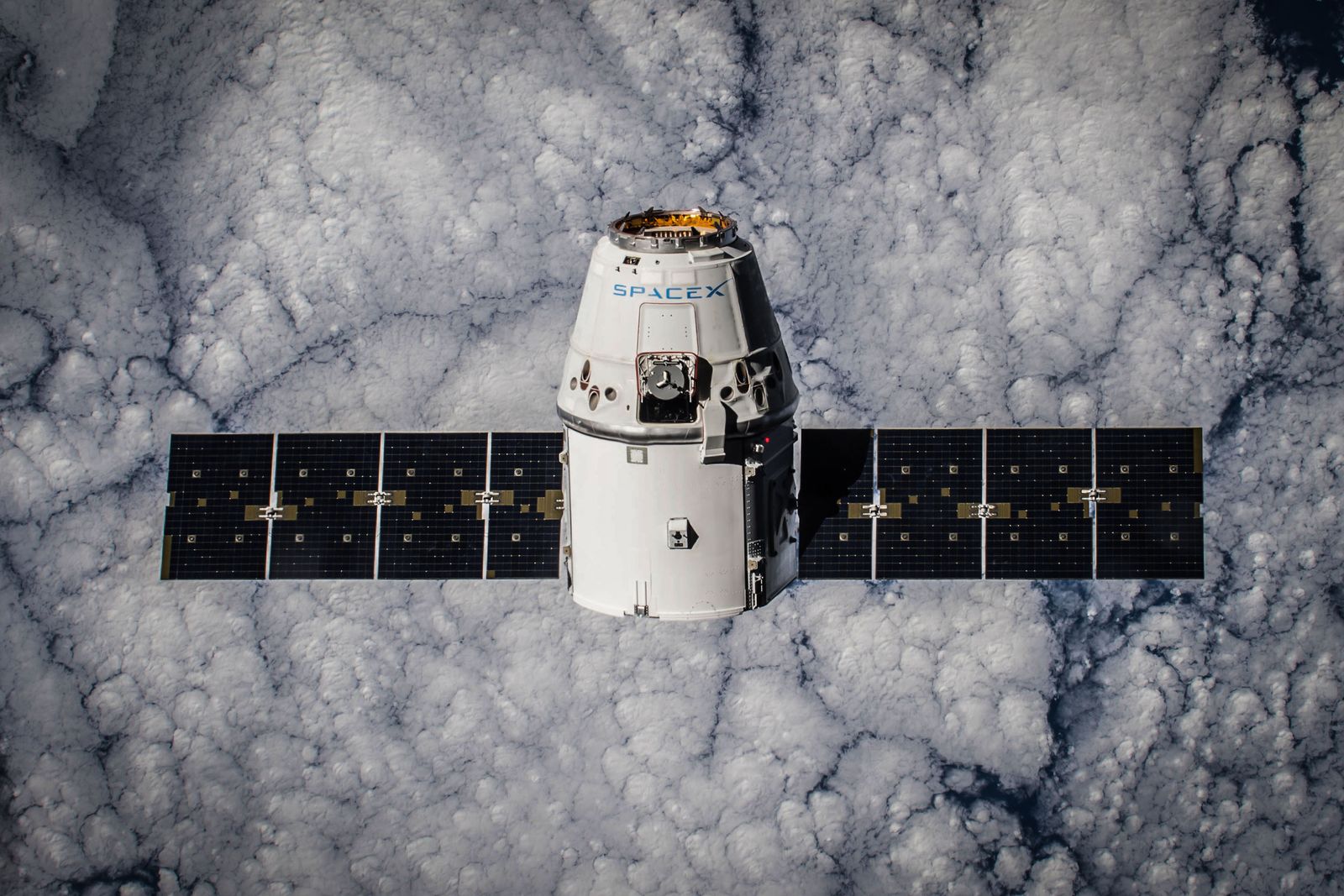
Google says its Project Suncatcher satellite has booted up the Tensor Processing Units on board and run a Gemma 4 model in orbit. The satellite launched earlier this month on a SpaceX Falcon 9 with more than 100 other spacecraft. It carries four Google TPUs and generates up to 1 kW of electricity. The first ground prompt, sent this week after about three weeks of commissioning, asked the model pre-loaded on the satellite to write a haiku about being in space.
Blue marble below Data streams in silent grace Starlight feeds my core.
Google also tested space-themed limericks and telemetry prompts. TechCrunch reports that power demands mean the satellite can only operate one TPU at a time, and only for about 20 minutes.
In one line: Google's Project Suncatcher satellite ran Gemma 4 on a TPU in orbit and returned a haiku, starting the company's orbital AI test programme.
What the test actually did
After a commissioning process that tested the satellite's subsystems over about three weeks, engineers sent the first prompt to DeepMind's Gemma 4 model on the satellite. The response was the haiku above. Google then asked for space-themed limericks and, more importantly for operations, asked the spacecraft to report on orbital conditions around the satellite.
A Google spokesperson told TechCrunch the satellite was operating nominally. The spacecraft has four TPUs, but its power supply can only run one at a time for about 20 minutes because the chips draw a lot of power.
Why this matters for orbital data centres
Project Suncatcher is an experimental initiative that could eventually put AI data centres in space. Google wants to see whether TPUs can reliably execute inference workloads in orbit. If this prototype works, the next milestone is two interconnected satellites in 2027, with higher power generation and inter-satellite optical links.
TechCrunch notes that Google is largely alone among space data centre proposals in planning high-speed links between satellites to support coherent distributed workloads. SpaceX's data centres are also expected to use laser links, but they would orbit too far apart to share processing effectively. Companies like Starcloud and Cowboy Space expect to perform inference loads on individual satellites.
What Google is watching now
The campaign will now evaluate how the TPUs perform under thermal stress and radiation exposure in orbit. Radiation can cause bit flips, where a stored value in computer memory changes and corrupts data without typical monitoring tools noticing. Google has tested its TPUs in particle accelerators on Earth, but this satellite gives the team real orbital data.
Google's ground testing suggested radiation would have minimal impact on inference workloads and would be more of a problem for training a model. The orbital tests will check that expectation in real conditions.
What this does not yet do
This is one prototype satellite, not a production service. It runs one TPU at a time, for short windows, and only for inference. There is no training on board. Google's own framing is infrastructure that could be economical in the 2030s, so the near term effect on teams shipping software is thin.
The wider business context is also worth noting. Alphabet's stock fell this week after Google reported that efforts to insert AI into its search businesses are hurting ad revenue growth. And Project Suncatcher's path to scale depends on Starship becoming fully and rapidly reusable, which is still under development.
What I would watch
For my work with client delivery, RAG chatbots, and agentic coding, nothing changes today. The useful signal is whether Google can keep a TPU running reliably enough for sustained inference in space, and whether the 2027 satellites show meaningful distributed workloads over optical links. If that works, the later question is latency and data location: could orbital inference change where a model runs for regulated clients, or reduce dependence on a ground data centre? That is years away.
For now, I would treat this as an infrastructure watch item, not a tool to adopt. The practical note is that radiation tolerance for inference looks less risky than training according to Google's ground tests, so early orbital AI is likely to stay on the inference side.